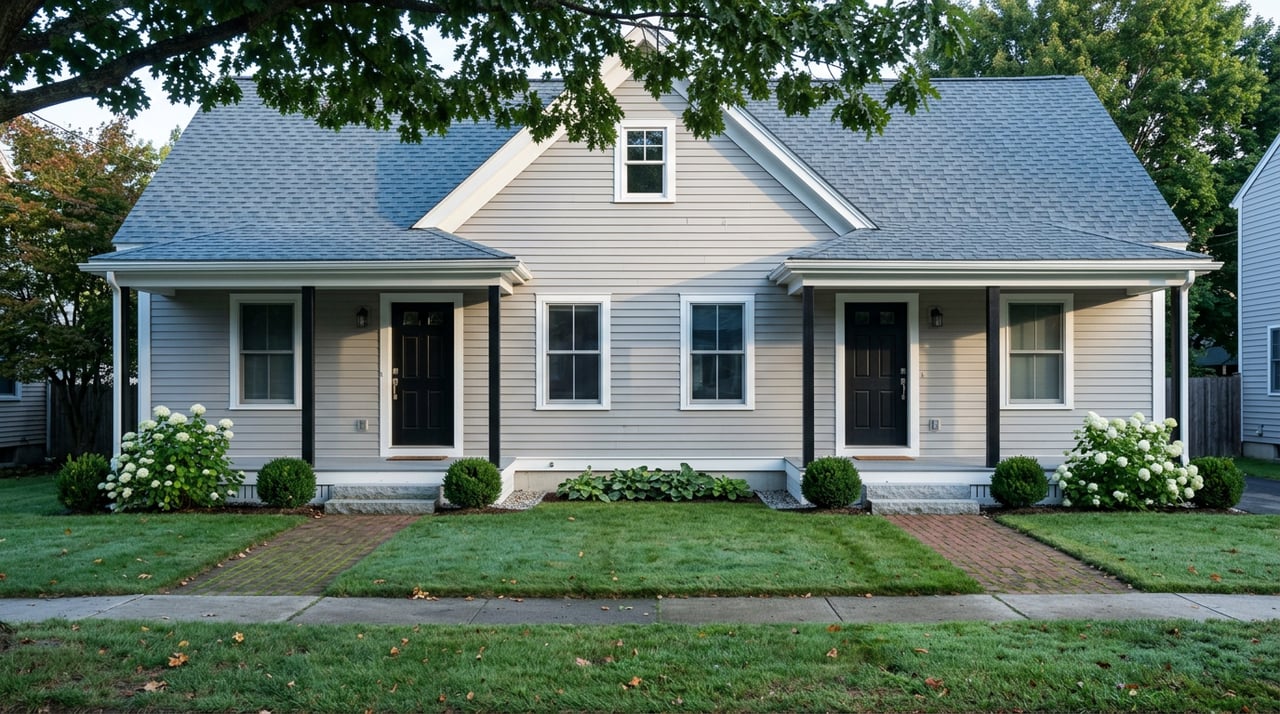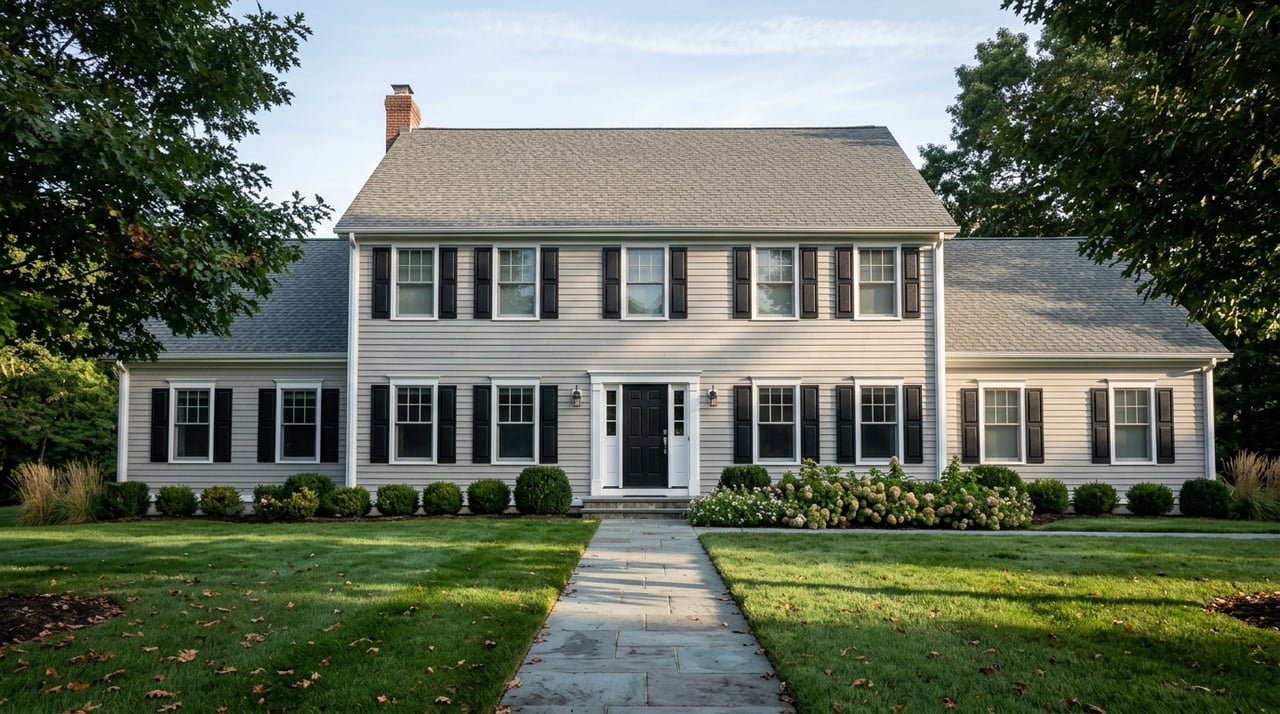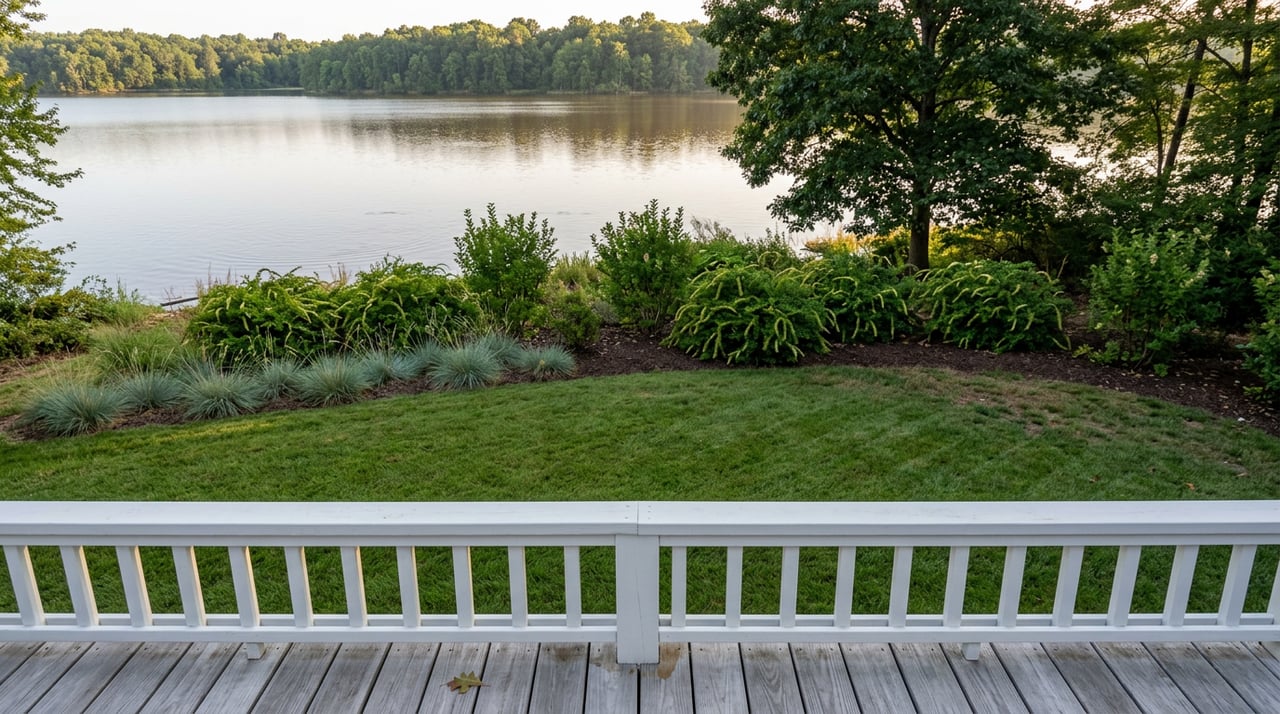
Imagine your morning coffee with ripples on Coventry Lake or a quiet porch a short stroll away from the water. Both lifestyles are within reach in Coventry, and each comes with clear trade-offs. If you’re deciding between a true lakefront home and an off-lake property nearby, it helps to compare costs, upkeep, access, and resale dynamics side by side. This guide breaks down what matters most in Coventry so you can choose with confidence. Let’s dive in.
Lakefront vs. off-lake: what it means
Lakefront means your lot touches the water and typically includes private shoreline and potential rights to install a dock, subject to permits. Off-lake homes sit near the water and may offer views, a short walk to the lake, or deeded or shared access.
Some neighborhoods have dedicated access points or community docks. Coventry also maintains public access areas and boat launches. Always verify any access type by reviewing the deed and local rules with the Town of Coventry and your attorney.
Price and inventory in Coventry
Lakefront inventory is limited and often seasonal. True waterfront parcels around Coventry Lake are scarce, which creates price premiums and fewer direct comparable sales. Off-lake homes near the lake increase your choices and tend to have more straightforward pricing and appraisal paths.
To estimate a lakefront premium, compare recent sold comps from the local MLS. Use paired sales when possible, and adjust for lot size, bed/bath count, age and condition, dock or bulkhead features, and deeded access. Keep seasonality in mind because many lakefront listings peak in spring and summer.
Appraisals for waterfront can be conservative when comps are scarce. Lenders will verify flood zones using FEMA maps and may require flood insurance when applicable. If you plan to rent the property seasonally, your lender may treat it with specialty or investment terms.
- Check flood zones and printable maps using the FEMA Flood Map Service Center.
- Review local permitting and zoning context with the Town of Coventry.
Ownership costs and upkeep
Lake homes often have different cost profiles than nearby off-lake properties. Plan for both ongoing and periodic items.
- Routine: lawn and landscape care, dock upkeep, minor repairs, and septic pumping where applicable.
- Seasonal: winterizing docks and boats, spring shoreline cleanup, boat storage, and septic checks after heavy-use seasons.
- Long-term capital: shoreline stabilization, bulkhead repair or replacement, major dock work, and private road maintenance when present.
- Taxes and fees: property taxes, plus any lake or road association dues.
Insurance and risk are key considerations. Waterfront homes can face higher exposure to wind-driven rain and may carry added costs for wind, hail, and flood coverage. Even outside FEMA-designated flood zones, many buyers of waterfront homes choose flood insurance because standard homeowners policies exclude flood.
- Learn flood insurance basics and coverage options through the National Flood Insurance Program.
- Obtain early quotes from local insurance agents to set a realistic annual budget.
Septic systems are common near the lake. Ask for pumping and repair records, age and capacity, and any permits for upgrades. Shoreline conditions matter too. Bulkheads, docks, lifts, and moorings require ongoing maintenance, and replacement is a significant capital item. Confirm existing permits for shoreline work and docks before you commit.
Access, rules, and environment
Access types vary:
- Direct private frontage: exclusive shoreline and potential for a private dock, subject to permits.
- Deeded or shared access: off-lake ownership with rights to a shared path, beach, or dock.
- Public access: town-managed launches or areas, with local rules and capacity limits.
Boating rules, no-wake zones, and motor-size limits can apply on inland waters. For current boating requirements and safety rules, review Connecticut DEEP’s Boating guidance. Docks and shoreline work typically need local and state approvals. Start with Coventry’s land-use offices for local permits and use Connecticut DEEP’s permits and licenses portal for state-level requirements.
Water quality can vary seasonally across New England lakes. Connecticut DEEP monitors inland waters for harmful algal blooms. Check current HAB information and advisories before peak summer use.
- CT DEEP Boating: rules, safety, and resources for inland waters.
- CT DEEP Cyanobacteria Blooms: advisories and education on HABs.
- CT DEEP Permits and Licenses: overview of water-related permitting pathways.
Resale dynamics and timing
Lakefront homes attract a lifestyle-oriented buyer pool that values views and direct access. Scarcity can support value over time, though pricing can be more sensitive to season and condition. Off-lake homes appeal to a broader set of buyers, often with steadier year-round demand and simpler insurance and appraisal steps.
If you plan to sell later, keep detailed records of dock, bulkhead, septic, and shoreline maintenance. For lakefront listings, document water depth at the dock, permit history, and the condition of shoreline structures. For off-lake listings, highlight proximity, views, any deeded access, and lower upkeep.
Listing in spring or early summer lets buyers experience the lake at its best. Off-lake properties may show well year-round.
Quick comparison: lakefront vs. off-lake
- Lakefront strengths: direct access, views, and lifestyle; scarcity supports value; strong photo and staging opportunities.
- Lakefront trade-offs: higher purchase price, potential insurance premiums, seasonal upkeep, and specialized permits.
- Off-lake strengths: broader inventory and pricing, simpler insurance and maintenance, potential deeded access.
- Off-lake trade-offs: less privacy on the water, access may be shared or subject to rules, views may be partial or seasonal.
Self-assessment checklist
Clarify your needs before you tour.
Lifestyle and daily use
- How often will you use the lake: daily, weekends, or seasonally?
- Do you plan to store or operate a boat? What size?
- Is year-round living expected, or will this be a seasonal or second home?
Maintenance and chores
- Are you comfortable arranging seasonal dock work and shoreline upkeep?
- Do you prefer a low-maintenance yard and smaller lot?
Budget and long-term costs
- Are you prepared for higher purchase price and potential flood and wind coverage?
- Could you handle a dock or bulkhead repair if needed?
Risk tolerance
- Are you comfortable with potential storm impacts and periodic water-quality advisories?
- Would you rather be above known flood zones?
Access and legal clarity
- Do you require private frontage, or is deeded or shared access acceptable?
- Are you comfortable with association rules, if any?
Financing and resale
- Will you refinance or sell in a set time window?
- Planning any seasonal rental use? Confirm local rules in advance.
Buyer scenarios to guide your choice
- Active boating family, year-round use
- Priorities: private dock, reliable depth, storage for a larger boat, and year-round road access.
- Best fit: true lakefront with documented shoreline protection and dock depth.
- Key checks: bulkhead age and condition, permit history, boat access, and storage options.
- Low-maintenance downsizer
- Priorities: water views, close-to-town convenience, fewer chores.
- Best fit: off-lake home with a short walk to deeded access or elevated views, smaller yard.
- Key checks: access point quality, any HOA rules for guest use, heating system, and winterization features.
- Budget-conscious buyer
- Priorities: affordability and proximity to lake amenities without waterfront premiums.
- Best fit: off-lake home within easy walking distance or with shared access; focus on higher elevation.
- Key checks: commute times, access rules, and parking arrangements at access points.
- Investor or seasonal vacationer
- Priorities: marketability, low maintenance, and strong seasonal demand.
- Best fit: near-lake home with flexible layout and quick access to the water; verify local short-term rental rules.
- Key checks: occupancy and safety requirements, utilities, and review rental-history comps when available.
Before you tour: quick prep list
- Print the FEMA flood map for each property address and confirm the zone.
- Ask your insurance agent for preliminary homeowner, wind, and flood quotes.
- Request septic pumping and repair records, plus age and capacity.
- Ask for permits and documentation for docks, bulkheads, or prior shoreline work.
- Confirm the type of lake access in the deed and any association bylaws and dues.
Local resources
- Town of Coventry: departments, permitting contacts, and assessor information.
- FEMA Flood Map Service Center: official flood zones and printable FIRMs.
- National Flood Insurance Program: coverage basics and policy guidance.
- CT DEEP Boating: inland rules, safety, and registration.
- CT DEEP Cyanobacteria Blooms: water-quality advisories and tips.
- CT DEEP Permits and Licenses: starting point for water-related permits.
Your next step
Choosing between lakefront and off-lake is about matching lifestyle with maintenance, budget, and long-term plans. If you want recent lakefront and off-lake comps, deed and access verification, and a clear action plan, connect with a local expert who knows Coventry Lake and its neighborhoods. Reach out to Cheri Trudon to talk through your goals and next steps.
FAQs
How do Coventry lakefront prices compare to off-lake homes?
- Lakefront homes typically carry a premium due to direct access, views, and scarcity. Use recent paired sales from the local MLS, adjust for condition and features, and account for seasonal listing patterns.
What insurance should I consider for a Coventry waterfront home?
- Plan for homeowners, wind or hail coverage if needed, and flood insurance where required or prudent. Review FEMA flood maps and consider NFIP guidance, then obtain local quotes early.
Do I need permits for docks or shoreline work on Coventry Lake?
- Most dock, bulkhead, and near-shore projects require local approvals and may require state permits through Connecticut DEEP. Start with Coventry land-use offices, then review DEEP’s permits and licenses.
Are harmful algal blooms an issue on Connecticut lakes?
- HABs can occur seasonally in New England. Connecticut DEEP tracks advisories and provides guidance for safe recreation. Check the current status before peak summer use.
What is the best time to list a Coventry lakefront home for resale?
- Spring and early summer tend to highlight lake lifestyle and can boost showings. Off-lake properties often see steadier interest year-round, depending on condition and price point.