If you want a home with less exterior upkeep but still want to stay close to everything Manchester offers, condos and townhomes deserve a serious look. These homes can be a smart fit whether you are buying for the first time, downsizing, or simply looking for a more manageable lifestyle. The key is knowing how Manchester’s attached-home market works, what the monthly costs really look like, and what to check before you buy. Let’s dive in.
Manchester Attached Homes at a Glance
Manchester’s condo and townhome market is relatively modest, not especially deep. In late May and early June 2026, Realtor.com showed 9 condo listings and 22 townhomes in Manchester, while Zillow showed 13 condo listings. That means your options may be more limited than in a larger attached-home market, so being prepared matters.
Price points in Manchester cover a fairly wide range. Current examples include an entry-level one-bedroom unit at $99,900, several condos under $200,000, mid-range options around $240,000 to $260,000, larger townhouse-style or newer attached homes around $360,000, and at least one new-construction example at $566,478. For context, Realtor.com reports a median listing home price of $354,500 in Manchester, so condos and townhomes here can overlap with the broader housing market rather than sit in a completely separate price category.
You will also find attached homes in several parts of town, including Ambassador Drive, South Main Street, Hartford Road, Highland Street, Wetherell Street, Homestead Street, Pine Street, Middle Turnpike West, and Oakland Street. That spread gives buyers a range of locations and community styles to compare.
Condo or Townhome: Know the Difference
One of the most important things to understand is that “townhome” describes a style, not always a legal ownership type. In Connecticut, attached homes may be organized as condominiums, cooperatives, or planned communities. If you are buying in Manchester, you should confirm exactly what form of ownership applies to the property you are considering.
In a condominium, you own your individual unit while common areas are owned jointly. In a planned community, owners typically own their lots, while the association owns and maintains the common areas. That may sound technical, but it affects how maintenance, rules, and costs are handled.
This is why it helps to look past the floor plan and ask deeper questions early. Two homes that feel similar in person may come with different ownership structures, association powers, and maintenance responsibilities.
What Condo and Townhome Living Looks Like in Manchester
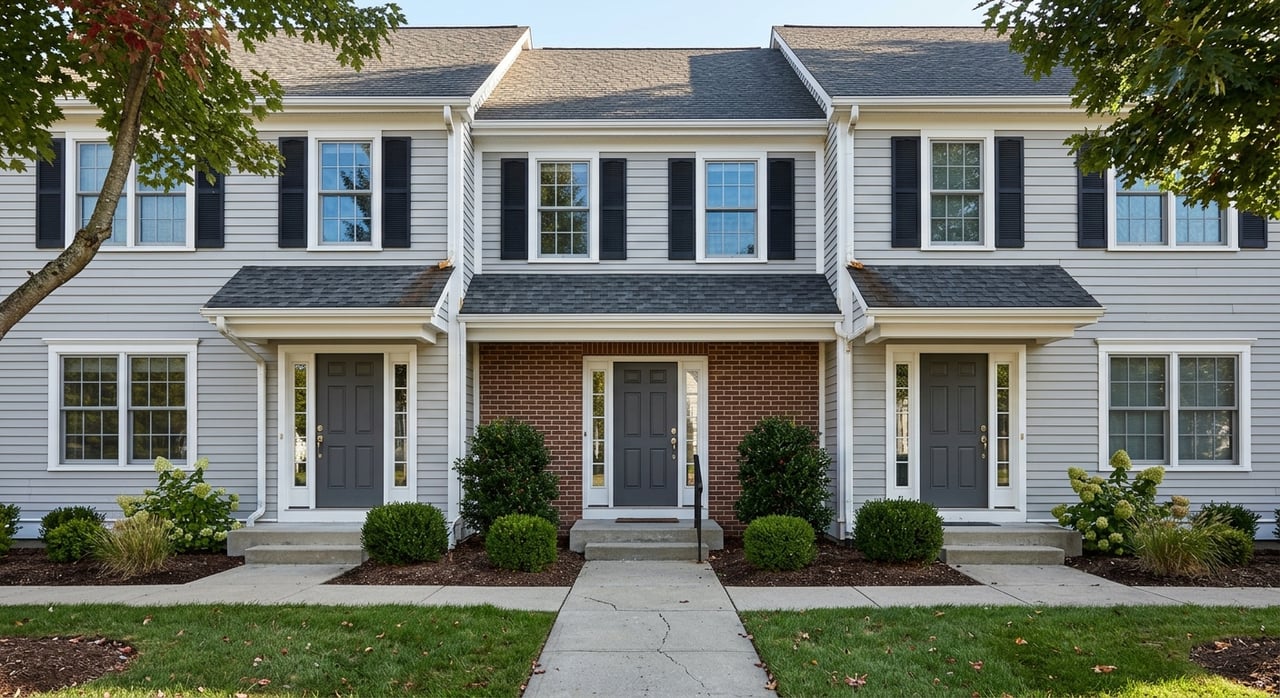
Manchester offers a mix of attached-home lifestyles. Some communities are more amenity-rich and include extras that appeal to buyers who want convenience built into everyday living. Others are smaller and quieter, with a simpler, low-maintenance setup.
For example, some listings in communities like Northfield Green mention amenities such as a pool, clubhouse, tennis, basketball, playground, guest parking, and carports. These listings also note services that may be covered by the association, such as snow removal, trash, water, pest control, and property management.
Other communities, including places like Beechwood Condominiums and Wetherell Village, are often presented as practical, lower-maintenance options that may appeal to first-time buyers or downsizers. These homes may focus less on amenities and more on straightforward living, efficient layouts, and manageable upkeep.
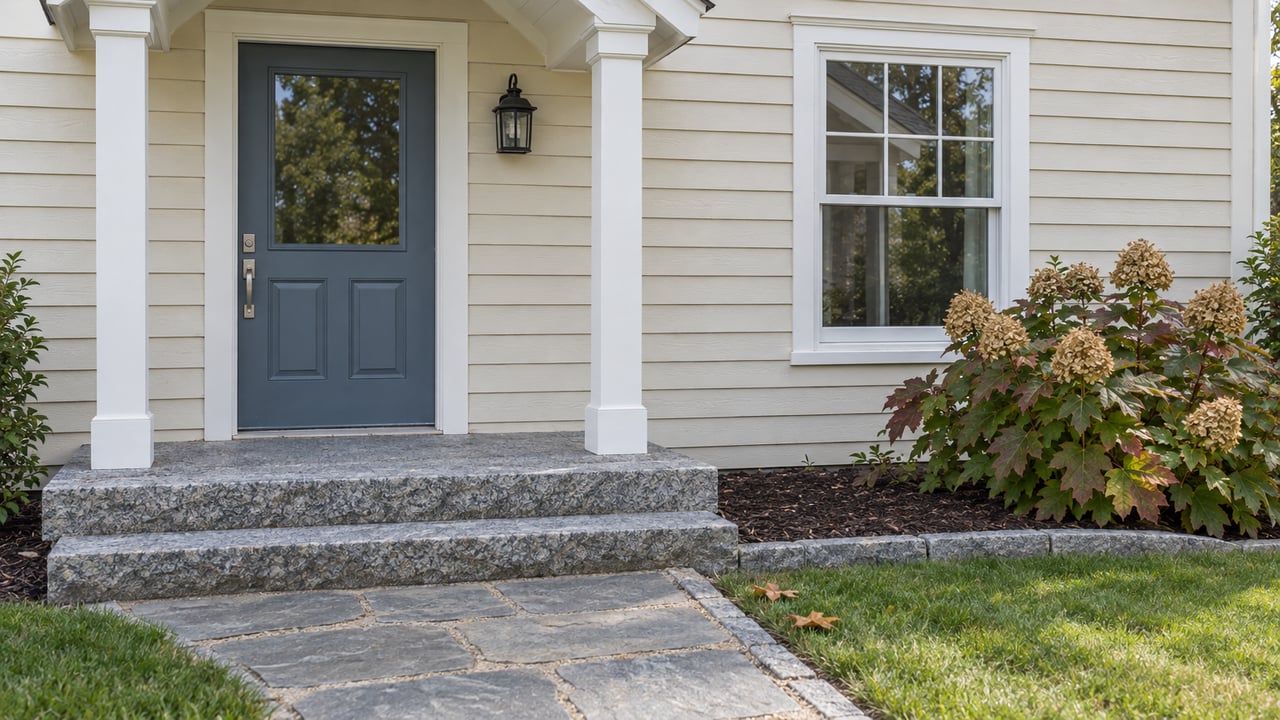
Manchester also has townhouse-style options that offer a more house-like feel. Current listings highlight features such as end-unit layouts, patios, balconies, decks, and yard areas in some communities. If you want attached living without giving up as much outdoor space or separation, these properties can be worth a closer look.
Monthly Costs Matter More Than Price Alone
When you shop for a condo or townhome in Manchester, the list price is only part of the story. Your real monthly cost usually includes your mortgage, property taxes, HOA dues, insurance, and possibly separate utility bills. In attached-home living, that full payment picture matters more than the sticker price alone.
Manchester’s general fund mill rate is 39.82 mills, and Connecticut real estate is typically assessed at 70% of market value. Using those figures, a $250,000 condo implies about $6,968.50 per year in property tax, or about $580.71 per month. A $300,000 condo implies about $8,362.20 per year, or about $696.85 per month.
That tax bill can surprise buyers who are focused mainly on sale price. It is also worth knowing that Manchester assesses property as of October 1, and the next real estate revaluation is scheduled for October 1, 2026. Revaluation can affect future tax amounts, so it is smart to treat current taxes as a snapshot rather than a permanent number.
HOA dues in recent Manchester listings range from the low $200s into the mid-$300s. Examples in current listings include $242, $303, $347, and $363 per month. Those fees can be reasonable if they cover services you would otherwise pay for separately, but the value depends on what is actually included.
What HOA Dues May Cover
Association dues are not one-size-fits-all. In Manchester, some communities include water, sewer, trash, snow removal, lawn care, insurance, pest control, clubhouse access, pool service, and property management. In some cases, listings also note that heat and hot water are included.
That can make a meaningful difference in your monthly budget. A unit with a slightly higher HOA fee may still be the better value if it reduces separate utility or maintenance costs. On the other hand, a lower monthly fee is not always cheaper if you are paying more out of pocket elsewhere.
You should also verify whether water and sewer are included in the HOA or billed separately. In Manchester, the Collector of Revenue handles real estate taxes separately from water and sewer usage, so this is a detail worth confirming before you commit.
Older Communities and Newer Options
Manchester’s current attached-home inventory spans a wide range of build years, including 1944, 1964, 1968, 1971, 1973, 1985, and new construction. That tells you the market includes older garden-style units, 1980s townhouse communities, and a smaller amount of newer product.
Older communities can offer attractive pricing or established settings, but buyers should look carefully at the condition of the unit and the association’s financial health. Newer attached homes may offer modern layouts and finishes, but often at a higher purchase price. Neither is automatically better. The right fit depends on your budget, maintenance comfort level, and long-term plans.
The Documents You Should Review Carefully
In Connecticut, the rules that govern condos depend in part on when the community was created. Pre-1977 condos are governed by the Unit Ownership Act, condos created from 1977 to 1983 fall under the Condominium Act, and condos created after December 31, 1983 are governed by the Common Interest Ownership Act. For you as a buyer, the takeaway is simple: the association documents matter.
The core documents to review include the declaration, bylaws, rules and regulations, and resale documents. According to the Connecticut Department of Consumer Protection, sellers must furnish these materials. The bylaws must address issues such as board structure, common-element maintenance, assessments, and reserves.
These papers tell you how the community operates. They can show what the association maintains, what restrictions may apply, how fees are handled, and whether the association appears financially stable. That information is often just as important as the kitchen, flooring, or paint colors.
Why the Resale Certificate Is So Important
Connecticut’s resale-certificate rules give buyers a useful window into the health of a condo association. The resale package can disclose monthly common charges, unpaid assessments, reserves, the current budget, capital expenditures over $1,000, insurance coverage, lawsuits, delinquencies, and foreclosure actions. Sellers must provide resale documents within 10 business days of request.
This is where you can better judge special-assessment risk. If a community has limited reserves, deferred maintenance, or a pattern of delinquencies, that may affect your costs and your comfort level. A unit can look move-in ready while the association behind it has bigger issues brewing.
That is why attached-home buying should always include both property due diligence and association due diligence. You are not just buying the walls inside your unit. You are also buying into the structure, management, and financial practices of the community.
Maintenance Is Simpler, Not Zero
One of the biggest benefits of condo and townhome living is reduced exterior maintenance. Many communities handle services like snow removal, lawn care, and common-area upkeep, which can simplify daily life. That is a major draw for buyers who want less hands-on responsibility.
Still, reduced maintenance does not mean no maintenance. Under Connecticut law, associations are responsible for common elements and related insurance, and they may regulate the use, maintenance, repair, replacement, and modification of common elements unless the declaration says otherwise. Costs beyond insurance proceeds and reserves after a casualty can also become a common expense.
In plain terms, the association takes care of a lot, but you still need to understand where your responsibilities begin and end. You also need to be comfortable with the rules and the possibility of future shared costs.
Financing Questions to Ask Early
If you plan to use low-down-payment financing for a condo purchase, it is smart to check project eligibility early. HUD states that FHA financing for condos is project-based, meaning the unit must be in an FHA-approved project or qualify for single-unit approval.
This step matters because financing can affect which homes are realistic options for you. If you wait too long to verify eligibility, you may waste time on a property that does not fit your financing path.
How to Decide if Attached Living Fits You
The best condo or townhome decision is not just about choosing between attached housing and a single-family home. It is about whether the total monthly payment, ownership structure, and maintenance setup match your lifestyle and budget. That is the real comparison that matters.
Condo and townhome living in Manchester can be a strong fit if you want:
- Less exterior maintenance
- A more predictable day-to-day upkeep routine
- Access to shared amenities in some communities
- A price point that may open more options than some single-family homes
- A home style that works well for first-time buyers or downsizers
It may be less ideal if you want maximum control over exterior decisions, very low monthly fees, or fewer community rules. The right choice comes down to how you want to live, not just what you want to own.
If you are comparing condos, townhomes, or single-family homes in Manchester, having a local guide can help you look past the listing photos and focus on the numbers, documents, and community details that really affect your decision. When you are ready to talk through your options, connect with Cheri Trudon.
FAQs
What is the difference between a condo and a townhome in Manchester, CT?
- In Manchester, a townhome usually describes the home’s layout or style, while a condo refers to the legal ownership structure. A townhouse-style home may still legally be a condominium or part of a planned community, so you should confirm the ownership type before you buy.
How much are condo HOA fees in Manchester, CT?
- Recent Manchester listings show HOA dues ranging from the low $200s to the mid-$300s per month. What those fees cover varies by community and may include items like water, sewer, trash, snow removal, lawn care, insurance, pest control, or amenities.
How are condo property taxes calculated in Manchester, CT?
- Manchester’s general fund mill rate is 39.82 mills, and Connecticut property is typically assessed at 70% of market value. Based on those figures, a $250,000 condo implies about $580.71 per month in property tax, while a $300,000 condo implies about $696.85 per month.
What documents should condo buyers review in Connecticut?
- Buyers should review the declaration, bylaws, rules and regulations, and resale documents. These materials can show how the association is run, what fees apply, what maintenance is covered, and whether there are financial or legal issues that need attention.
Are condos in Manchester, CT good for first-time buyers or downsizers?
- Many current Manchester listings are marketed in ways that may appeal to first-time buyers and downsizers, especially if you want lower exterior maintenance and a simpler lifestyle. The best fit depends on your budget, the monthly carrying costs, and the community rules.
Can you use FHA financing to buy a condo in Manchester, CT?
- Possibly, but the condo must be in an FHA-approved project or qualify for single-unit approval. If you are planning to use FHA financing, it is wise to verify eligibility early in your home search.