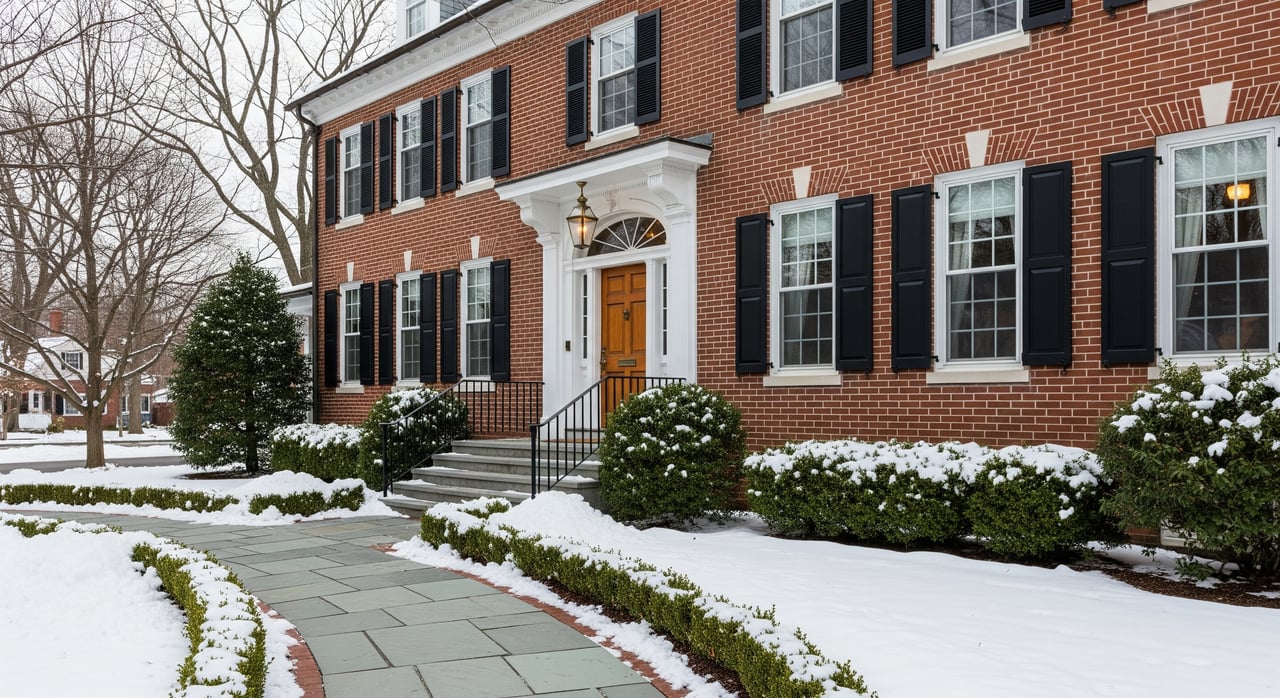
Snowstorms in Manchester can move in fast, and the rules about who must shovel what are not always clear. If you own or manage property, you want to keep people safe and avoid fines or liability. This guide breaks down what Manchester owners need to know about sidewalk snow and ice, including deadlines, hydrants and ramps, enforcement, and a simple plan you can follow after every storm. Let’s dive in.
Who must clear the sidewalk
If your property in Manchester abuts a public sidewalk, you are typically responsible for clearing it. This applies to single-family homes, multi-family buildings, and commercial properties. If you are a landlord, you can hire a contractor or ask a tenant to handle snow, but you should still ensure the work gets done on time.
Some downtown or publicly maintained areas may have different arrangements. If you are unsure whether your block is included in a town clearing program, contact the Department of Public Works to confirm.
Key deadlines you should plan for
Manchester’s local rules generally require timely clearing after winter weather:
- Snow removal: clear accumulated snow within 24 hours after the storm ends.
- Ice treatment or removal: address ice within 12 hours after ice forms or after the storm ends.
The clock typically starts when measurable snowfall or icing stops, though wording can vary. For storms that end overnight or include periods of on-and-off precipitation, plan conservatively so you do not miss the window. Check the town’s current language if you need the exact start time.
What counts as “clear”
Best practice is to clear the full sidewalk width so two people can pass safely and mobility devices can navigate. At a minimum, maintain a consistent, continuous path and keep curb ramps and crosswalk approaches open. Treat slick areas so they are not hazardous after temperatures drop again.
Handle refreeze quickly
Packed snow can melt and refreeze into black ice. After sunset or as temperatures fall, re-check the walk and apply deicer and sand as needed. Multiple treatments may be necessary to keep the surface safe.
Hydrants and curb ramps
Fire hydrants
If a hydrant sits on or near your frontage, clear a visible area around it as soon as you finish the sidewalk. A common safety practice is to maintain about a 3-foot radius and a shoveled path to the street so firefighters can connect lines quickly. This simple step can save critical time in an emergency.
Curb ramps and accessible routes
Keep curb ramps, landing areas, and detectable warning surfaces clear. These spots are essential for people using wheelchairs, strollers, or walkers. Clearing ramps is part of maintaining an accessible route and supports safe travel across Manchester’s sidewalks.
What not to do
- Do not throw or blow snow into the street. Plows can push it back onto sidewalks and it may trigger enforcement.
- Do not create a narrow trench that is unsafe to pass. Clear a consistent width along the entire sidewalk and ramp landings.
- Do not pile snow where it blocks hydrants, crosswalks, sight lines, or drains.
- Do not skip ice treatment after shoveling. Untreated packed snow can become hazardous.
- Do not overuse rock salt near sensitive landscaping, concrete edges, or storm drains.
Enforcement and penalties
Enforcement in many towns, including Manchester, is often complaint-driven with follow-up inspections after storms. Typical steps include a warning or notice to comply, followed by town-arranged removal if the property remains uncleared. The town can charge the property owner for removal and may assess fines or administrative fees. Specific amounts and procedures can change, so check with the Town Clerk or Code Enforcement for current details.
Liability and risk management
Slip-and-fall injuries on sidewalks are a common source of claims. Meeting the town’s deadlines reduces risk, but it does not eliminate it. Protect yourself by documenting your efforts and by maintaining strong coverage:
- Take time-stamped photos before and after clearing and after any re-treatments.
- Keep receipts and contractor invoices.
- Review your insurance. Landlords should confirm that general liability covers sidewalk incidents.
A simple compliance plan for Manchester owners
Use this step-by-step checklist each winter. It works for homeowners, landlords, and small business owners in Manchester, Hartford County.
Pre-season: October to November
- Verify current sidewalk rules and deadlines with the Town Clerk, Public Works, or Code Enforcement.
- Identify nearby hydrants and curb ramps. Place markers so they are easy to find during storms.
- Decide your plan: DIY shoveling or a vetted contractor. Get written terms and proof of insurance if you hire out.
- Purchase deicer suited for local temperatures, plus sand for traction. Consider pet-safe and concrete-friendly options.
Before and during storms
- Move cars off the curb if a parking ban is announced so plows can work.
- If you use a contractor, confirm expected visit times for prolonged or heavy storms.
Within 24 hours after snowfall ends
- Shovel the full sidewalk width where possible. Keep ramps, crosswalk approaches, and driveway aprons usable.
- Clear snow around hydrants and create a path to the street.
Within 12 hours of ice formation
- Remove or treat ice promptly. Use a deicer plus sand on packed or refrozen spots.
- Re-check after sundown and early morning for black ice.
After plows come through
- Inspect again. Plow push-back often requires a second pass.
- Take updated photos and add them to your records.
Materials that work in Manchester winters
- Sodium chloride: affordable and common, but it loses effectiveness in very low temperatures and can harm plants and pets.
- Calcium or magnesium chloride: works at lower temperatures and may require less product. Use sparingly and follow label directions.
- Sand: improves traction but does not melt ice. Plan for cleanup and keep it out of drains when possible.
Use deicers carefully around new concrete, brick, lawns, and near waterways. Small, well-timed applications often work better than heavy use.
Hiring and managing a snow contractor
- Get proof of insurance and a written scope. Include sidewalks, hydrants, and curb ramps with timing tied to storm end.
- Ask how the contractor handles plow push-back and return visits.
- Confirm communication: who you call during a storm, and how arrival times are tracked.
- Keep records of dates, times, and photos after each service.
How to confirm current Manchester rules
For the most accurate, up-to-date requirements, contact:
- Town Clerk or Code Enforcement for ordinance wording and the fine schedule.
- Department of Public Works for winter operations, complaint process, and any downtown clearing programs.
- Fire Marshal or Fire Department for hydrant access guidance.
When you call, ask about the start time for deadlines, the required clear width, whether treatment is acceptable for ice, and any exceptions on your street.
The bottom line for Manchester owners
Clearing sidewalks on time keeps your neighbors safe and helps you avoid costly problems. Plan ahead, act within the 24-hour and 12-hour windows, keep hydrants and ramps open, and document your work. If you are preparing to sell or managing a rental in Manchester, having a reliable snow plan is one more way to protect your property and your timeline.
If you want local guidance on winter-ready property prep or contractor referrals as you plan a sale or move, reach out to Unknown Company. Let’s talk about your goals and make a smart plan.
FAQs
What is the Manchester deadline to shovel sidewalks after a snowstorm?
- Within 24 hours after the storm ends is the general standard; confirm the exact start time of the clock with the town.
How fast must I treat sidewalk ice in Manchester?
- Treat or remove ice within 12 hours of ice formation or after the storm ends, using deicer and sand as needed to prevent refreeze.
Who is responsible for snow on sidewalks at a rental property?
- The owner of the property abutting the sidewalk is typically responsible, even if a lease asks a tenant to do the clearing.
Do I need to shovel around fire hydrants near my property?
- Yes, as a best practice clear about a 3-foot radius and a path to the street so firefighters can access the hydrant quickly.
Can I put sidewalk snow into the street in Manchester?
- No, placing snow in the roadway is generally prohibited and can lead to enforcement or re-deposition onto your sidewalk by plows.
What happens if I miss the snow or ice deadline?
- Expect a notice to comply; if you do not, the town may arrange removal, bill you for the work, and assess fines or fees under local procedures.