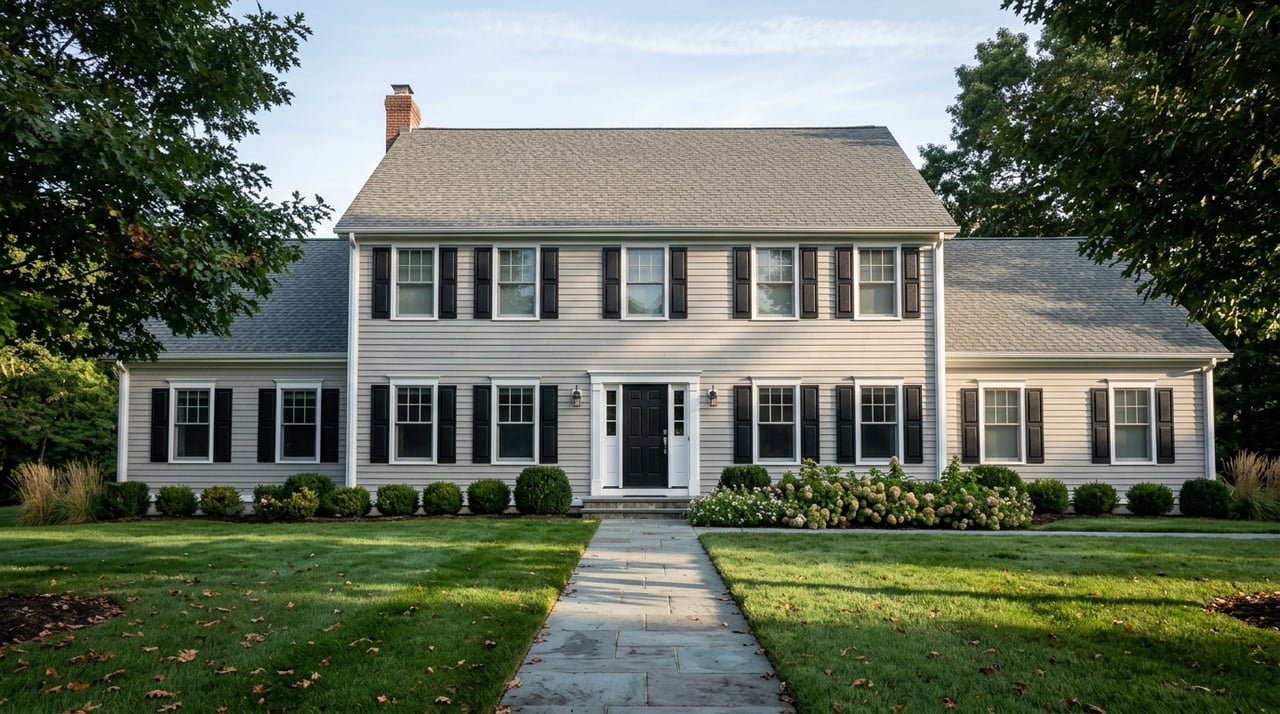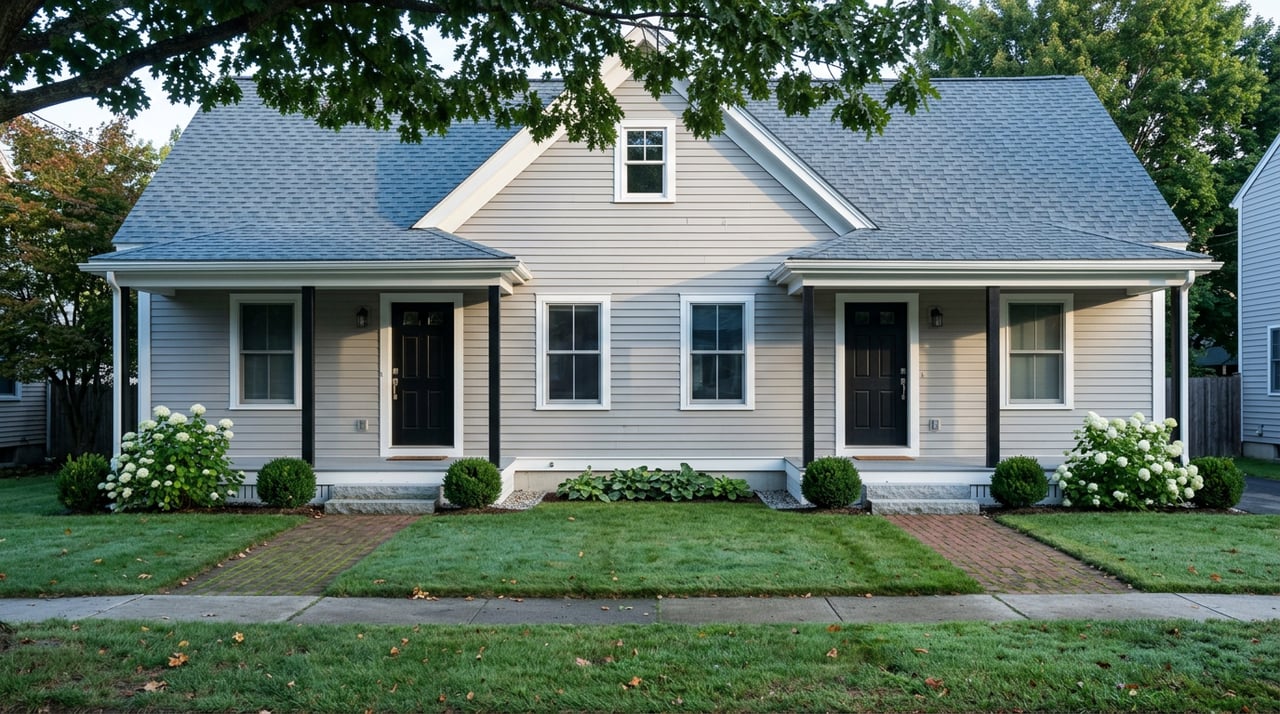
Walk down Spruce Street or Oakland Street on a Saturday morning and you'll pass a run of two- and three-family houses with the same bones: clapboard siding, deep porches, narrow lots, the kind of construction that was built to house workers, not to impress them. Most of these buildings predate zoning as Manchester knows it today. Many predate the interstate. A good number of them were built by one company, for one industry, before anyone worried about what was in the paint.
That last detail is the one buyers skip past when they're scanning listings for cap rate and unit mix. It shouldn't be. In a market where multi-family properties are going under contract in about two weeks, the paint on those porches and window trim is doing more to determine your closing date than your credit score is.
The Two Weeks Everyone's Racing Against
Manchester's overall housing market has been moving fast all year. Movoto's August 2026 data put the median list price at $332,000 with homes spending a median of just 12 days on the market, a drop of a third from the same month a year earlier. Redfin's broader tracking showed a median sale price of $313,312 as of May 2026, up 4.4 percent year over year. Multi-family product has followed the same script. Statewide SmartMLS data on multi-family sales showed a median days-on-market figure of just 15 days as of mid-2026, with properties in the $300,000 to $499,000 range, the tier where most Manchester duplexes and triplexes sit, closing between 1.5 and 2.2 percent over asking price.
That is a seller's market by any definition. It is also a market with almost no slack in it. A buyer who assumes a routine 30 to 45 day close is planning around last decade's timeline, not this one. And the thing most likely to blow up that compressed schedule isn't financing. It's the building itself.
Why Nearly Every Manchester Duplex Has the Same Birth Certificate
Manchester grew up around the Cheney Brothers silk mills, and the company didn't just employ half the town at its peak, it built housing for the workforce. The Cheney Brothers Historic District, a 175-acre National Historic Landmark that includes more than 275 mill buildings, workers' houses, churches and schools, was formally designated in 1978. That date is not a coincidence worth glossing over. It's the same year the federal government banned lead-based residential paint. A large share of the multi-family stock in neighborhoods like Bowers, Buckley, Highland Park and West Side was standing well before that cutoff, which means it falls under the federal disclosure rule almost by default.
The mill legacy is still visible in the housing stock even outside the historic district boundary. Streets like Spruce, Charter Oak and Oakland carry a mix of older multi-unit buildings and updated conversions, the kind of inventory that shows up when you search Manchester duplexes and triplexes today. Some of that housing has been beautifully rehabbed. The old Yarn Dye House on the Cheney mill campus sat vacant for decades before a $14 million restoration converted it into 57 apartments using federal and state historic tax credits, a project the National Park Service still cites as a model for adaptive reuse. The point isn't that older buildings are a liability. It's that most of them were built before 1978, and federal law treats that year as a hard line.
What the Disclosure Rule Actually Requires
Federal Title X law requires that any housing built before 1978, single-family or multi-family, come with a signed lead disclosure before a buyer is obligated under contract. The seller has to provide the EPA's Protect Your Family From Lead In Your Home pamphlet, disclose any known lead hazards or test results, and give the buyer a window, ten days by default, to have the property inspected for lead before the deal is binding. Buyers can waive that inspection period, but the disclosure itself isn't optional, and the penalties for skipping it are real: civil fines up to $10,000 per violation, plus potential criminal exposure and treble damages in a private lawsuit.
That disclosure step is standard practice and most sellers and agents handle it as routine paperwork. The part that actually slows a closing down is what happens next, especially for buyers financing with FHA.
What the FHA Appraiser Is Actually Looking For
An FHA loan on a 2-4 unit property still falls under the standard single-family program, which is part of what makes multi-family ownership accessible with a low down payment. But it comes with a condition most buyers don't fully register until they're mid-transaction: the same appraiser who determines the property's value also performs a HUD safety inspection, and for any home built before 1978, that inspection treats peeling, chipping or chalking paint as an assumed lead hazard. It doesn't matter whether the paint has ever been tested. If it's deteriorating anywhere on the interior, exterior, trim, outbuildings or fences, it has to be scraped, primed and repainted before the loan can close.
Add to that the FHA's standard checks on roof life, structural soundness and functioning mechanicals, and a building that looked move-in ready on a Sunday tour can generate a punch list by Friday. In a market where the average multi-family listing is under contract in fifteen days, a two-week repaint-and-reinspect cycle isn't a delay. It's the whole timeline, doubled.
For buyers weighing how much building they can finance, the loan limits themselves are worth knowing up front:
| Units | 2026 Standard-Area FHA Limit | 2026 High-Cost Ceiling |
|---|---|---|
| 2-unit | $693,050 | $1,599,375 |
| 3-unit | $837,700 | $1,933,200 |
| 4-unit | $1,041,125 | $2,402,625 |
FHA borrowers also have to plan on occupying one unit within 60 days of closing and staying at least a year, since the program is built for owner-occupants rather than pure investors. That rules out FHA financing for a straight rental purchase, but it's exactly the loan type a lot of first-time multi-family buyers use to house-hack their way into a Manchester duplex.
The Timeline Math That Catches Buyers Off Guard
Here's roughly how the sequence plays out once an FHA appraisal flags deteriorated paint on a pre-1978 property:
- The appraiser documents the condition and the lender issues a repair requirement before the loan can close.
- The seller (or buyer, depending on how the contract is written) hires a contractor to scrape, prime and repaint the flagged surfaces.
- The repaired areas get reinspected, either by the original appraiser or a second visit, to confirm the work meets FHA standards.
- The lender clears the condition and underwriting resumes.
None of those steps are hard on their own. Together, in a market where sellers are used to accepting an offer and closing within two to three weeks, they can push a deal past the point where a seller who's fielded multiple offers starts wondering if the next buyer will be simpler to work with.
What This Means If You're Bidding on a Manchester Multi-Family
None of this means older Manchester multi-family housing is a bad buy. The Yarn Dye House rehab is proof that even mill-era buildings with real deferred maintenance can come back beautifully with the right plan and the right financing behind it. What it means is that the paint condition deserves the same pre-offer scrutiny buyers usually reserve for the roof or the foundation. Before you write an offer on a pre-1978 duplex or triplex, it's worth asking the listing agent directly whether any exterior or interior paint is visibly deteriorating, and lining up a contractor who can move fast if a repaint condition comes back from the appraisal. Buyers using conventional financing instead of FHA have more flexibility here, since conventional appraisals don't carry the same automatic lead-paint standard, though the Title X disclosure and inspection right still apply either way.
If you're weighing a multi-family purchase in Buckley, Bowers, Highland Park or anywhere near the old mill district, it helps to work with someone who's coordinated this exact repair-and-reinspect sequence before and knows which local contractors can turn a scrape-and-prime job around fast enough to protect your closing date.
Quick Answers For Manchester Multi-Family Buyers
Does the 1978 rule apply to single-family homes too, or just multi-family? Both. Title X covers any residential property built before 1978, single-family or multi-unit, with a narrow exception for zero-bedroom units and a few other specific cases.
Can a seller refuse to make the paint repairs? Yes, and if they do, the deal typically falls to the buyer to either walk away, pay for the repairs themselves, or switch to conventional financing that doesn't carry the same automatic paint standard.
Is a lead inspection the same thing as a lead-paint disclosure? No. The disclosure is a paperwork requirement that applies to every pre-1978 sale. A lead inspection or risk assessment is an optional, buyer-requested test that goes further, and it's the ten-day window buyers can use or waive under federal law.
Manchester's multi-family market rewards buyers who show up prepared, not buyers who show up fast and figure it out later. If you're weighing a duplex, triplex or fourplex anywhere from the old mill neighborhoods to the newer pockets of town, Cheri Trudon can walk you through what a given property's age means for your financing timeline before you ever write an offer. Let's talk about your goals.