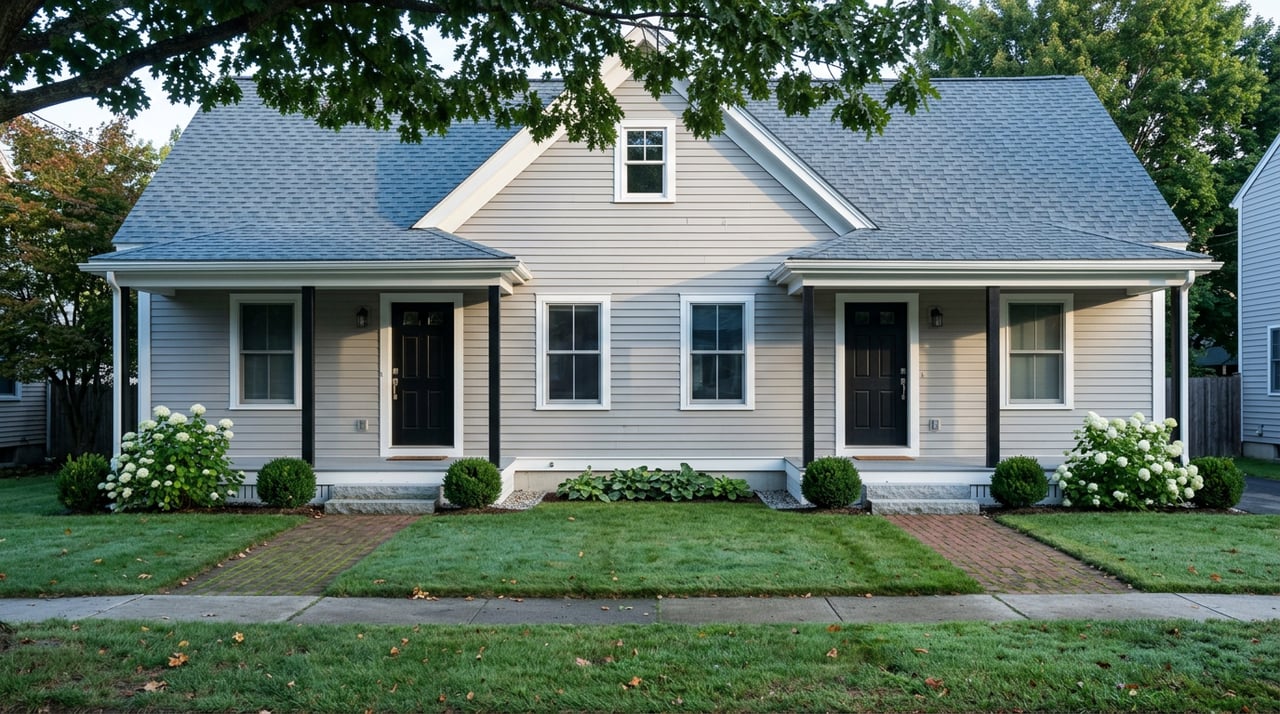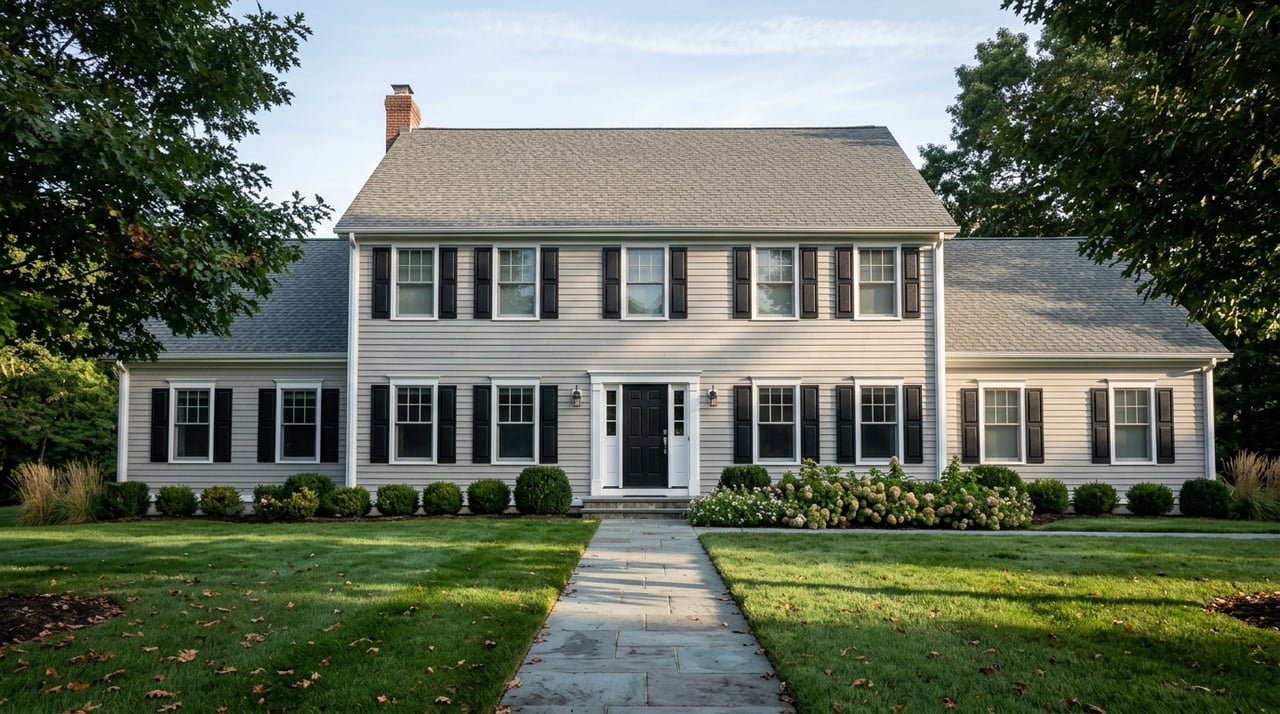
A five-bedroom colonial half a mile from the UConn campus looks like straightforward math. Five bedrooms, five student tenants, five checks a month. Anyone running the numbers on a spreadsheet gets excited fast.
Mansfield's zoning code has a different opinion, and it doesn't care how many bedrooms the house has.
The town defines a "family" for zoning purposes, and that definition is the actual ceiling on what a single-family rental near campus can legally house. It has nothing to do with square footage, bedroom count, or what the listing photos show. It comes down to one number, and whether the house cleared a specific date on the calendar before it became a rental.
The Word That Does the Real Work
Mansfield's zoning regulations cap the number of unrelated adults who can occupy a single dwelling unit at three. That's it. Doesn't matter if the house has five bedrooms or eight. Three unrelated people, plus any children related to them, is the standard limit.
There's one exception, and it's the detail that actually moves value. Rental units established before August 15, 2010 are grandfathered in at four unrelated adults instead of three. That single date splits the town's rental housing stock into two different products with two different revenue ceilings, and it has nothing to do with condition, location, or finish level.
A buyer comparing two nearly identical houses on the same street, both a short walk to South Eagleville Road, could be looking at a meaningful difference in legal occupancy purely because one was renting tenants before an ordinance took effect and the other wasn't. That's not a renovation opportunity. It's a fixed characteristic of the property that a home inspection won't catch and a listing description usually won't mention.
How the Town Actually Finds Out
Here's the part that surprises people who assume a town this size runs code enforcement like a big city building department. Mansfield's own guidance on rental housing is direct about the limits of its authority. Absent a tenant complaint or a scheduled biennial certificate renewal, the town does not have the right to enter a rental unit to check for overcrowding.
So how does enforcement actually work? Mostly by watching the driveway. The town's own rental FAQ describes its primary method as determining whether the same vehicles are parked at a property on multiple days. Overnight guests are tolerated, but the same FAQ notes that when a guest routinely stays over three or more nights a week, that person is treated as a resident for occupancy purposes.
In practice, that means a house near campus is judged less by who's on the lease and more by whose car is parked out front on a Tuesday morning in October. That's a strange thing to build a rental strategy around, but it's the actual mechanism, and it's worth knowing before you're the one signing leases.
The paperwork side adds its own friction. Landlords have to file a Landlord Registration Form and pay a one-time $25 fee. Owners of one, two, and three-family rentals also need an approved off-street parking plan on file with the town, posted inside the unit. Park outside the approved spot and a tenant can draw a $90 ticket, which doubles if it isn't paid or appealed within ten days. Rental units get inspected on a two-year cycle to renew the certificate that keeps the whole arrangement legal.
None of this shows up in a property's asking price. All of it shows up the first month you're operating the house as a rental.
The Pre-2010 Premium
Once you know the grandfather clause exists, the math on comparable houses changes. A property that's been a registered rental since before August 15, 2010 can legally carry a fourth unrelated tenant, and that difference is worth real money over a full lease term. Recent listings on UConn's own off-campus housing board show just how wide the range runs near Storrs, from around $600 to $800 a bedroom in older shared houses up to $1,639 a bedroom in some of the newest purpose-built buildings on Storrs Road. Even at the low end of that range, one extra legal tenant is real annual income that a newer registration simply can't produce, no matter how the house is laid out inside.
This is the kind of detail that doesn't come up until you're deep into due diligence, usually after you've already fallen for a house based on the bedroom count. The smarter order of operations is to ask about the property's rental registration history before you get attached to the floor plan.
The New Supply That's Quietly Changing the Math
There's a second force at work here, and it's reshaping the picture faster than most buyers realize. Purpose-built student housing is landing in Mansfield at a scale that didn't exist a few years ago, and it's aimed at exactly the demand that used to flow into single-family "mini-dorm" rentals.
Landmark Properties has already built the Standard at Four Corners at 1725 Storrs Road, a large modern complex marketed as a landing pad for UConn students, though tenants don't have to be affiliated with the university. The company has also started site work on a second project a short distance away, a co-living building called the Mark Mansfield on North Eagleville Road, with suites built around shared kitchens and living rooms and private, lockable bedrooms. The co-living model lets a landlord collect three or four separate tenant payments on a single unit while each tenant pays less than they would for a standalone studio, the same basic economics that made converting a single-family house profitable, just built into a commercial structure that isn't bound by the town's family definition at all.
On South Eagleville Road, the nonprofit Mansfield Nonprofit Housing Development Corporation has zoning and wetlands approvals in hand for Eagleville Green, a 42-unit mixed-income rental community on a 5.2-acre parcel, positioned at the south edge of campus near the UConn bus line. And UConn itself has spent several years working through the state's environmental review process to replace its aging 270-bed Mansfield Apartments complex on South Eagleville Road, first built in the 1940s and 1950s, with new university-owned housing.
Put together, these projects are aimed squarely at the tenant pool that single-family rentals near campus have relied on for decades. Every bed that opens in a co-living suite or a university-owned complex is a bed that doesn't need to be filled by a converted house on a residential street. That doesn't make the house worthless as an investment. It does mean the assumption that student demand will always outrun supply near a flagship state university is getting tested in real time, right in this town.
What This Means If You're Looking at a House Near Campus
If you're buying to live in the house yourself, none of this changes your decision much. The zoning definition of family applies to rentals, not to a household living in its own home.
If you're buying with rental income in mind, three questions matter more than the bedroom count:
- Was this property registered as a rental before August 15, 2010, and can that be documented?
- Is there an approved off-street parking plan already on file with the town, or will you need to file one before you can legally rent it out?
- How much new purpose-built housing is opening within walking distance this cycle, and what does that do to the rent you can realistically charge?
Answering those three questions tells you more about what the house can actually earn than any listing photo will.
A Few Quick Answers
How many unrelated people can legally live together in a Mansfield rental? Three, unless the rental unit was established before August 15, 2010, in which case four unrelated adults are permitted.
How does the town actually check for overcrowding? Mostly by watching for the same vehicles parked at a property over multiple days, since inspectors generally can't enter a unit without a complaint or a scheduled renewal inspection.
What happens if a tenant parks outside the approved plan? It can draw a $90 ticket, which doubles if it isn't paid or appealed within ten days.
Does the family definition apply everywhere in town, or just near campus? It's a town-wide zoning definition. It applies the same way in Storrs as it does anywhere else in Mansfield.
Buying near a university changes more about a house than most listings let on, and the difference between a good investment and a frustrating one usually comes down to details like these, not the ones on the flyer. If you're weighing a purchase in Mansfield with rental income in mind, or just trying to understand what a specific property can and can't legally do, Cheri Trudon has spent years working this exact market. Let's talk about your goals.